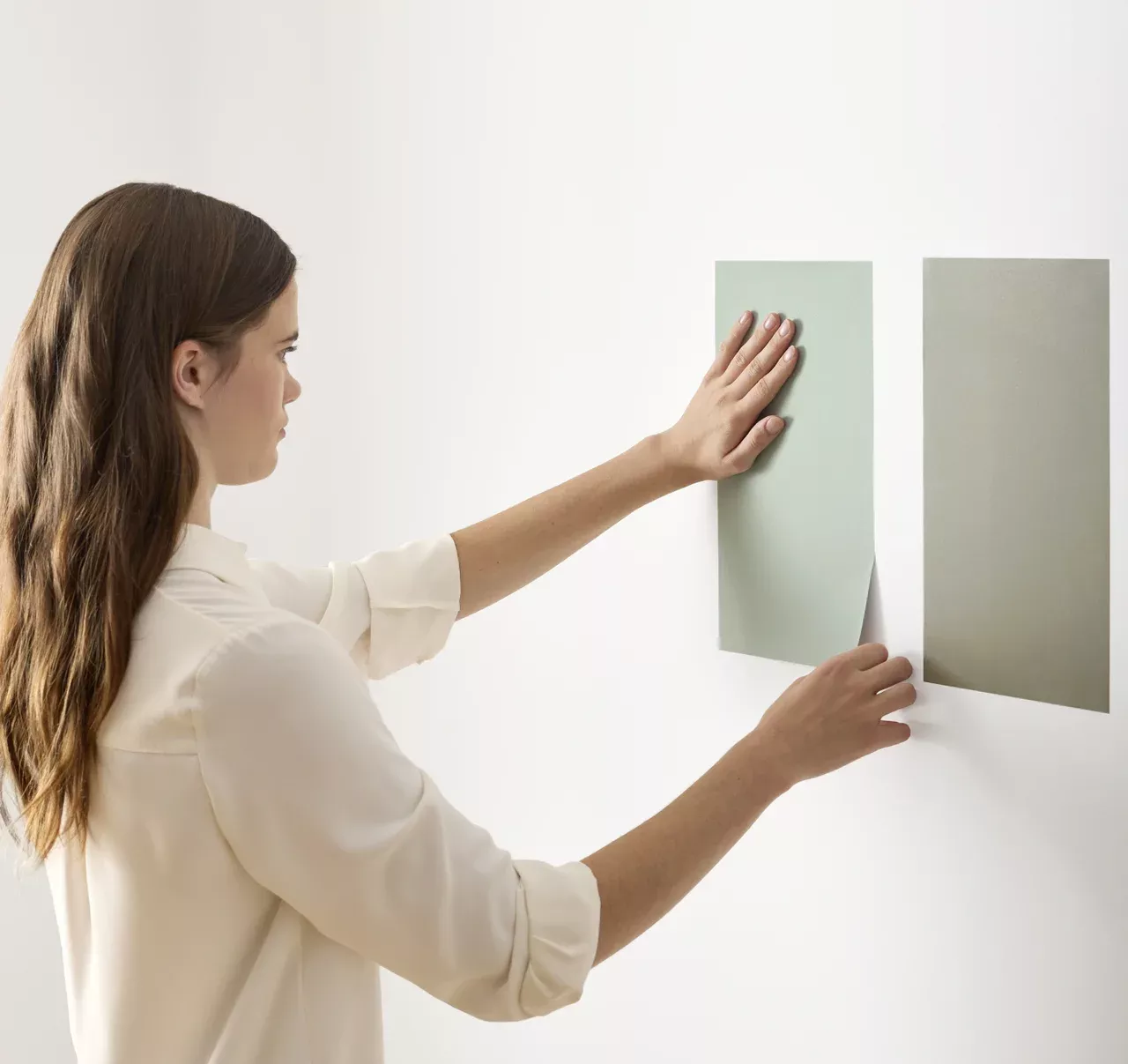
Shoji White
SW 7042 · Sherwin-Williams
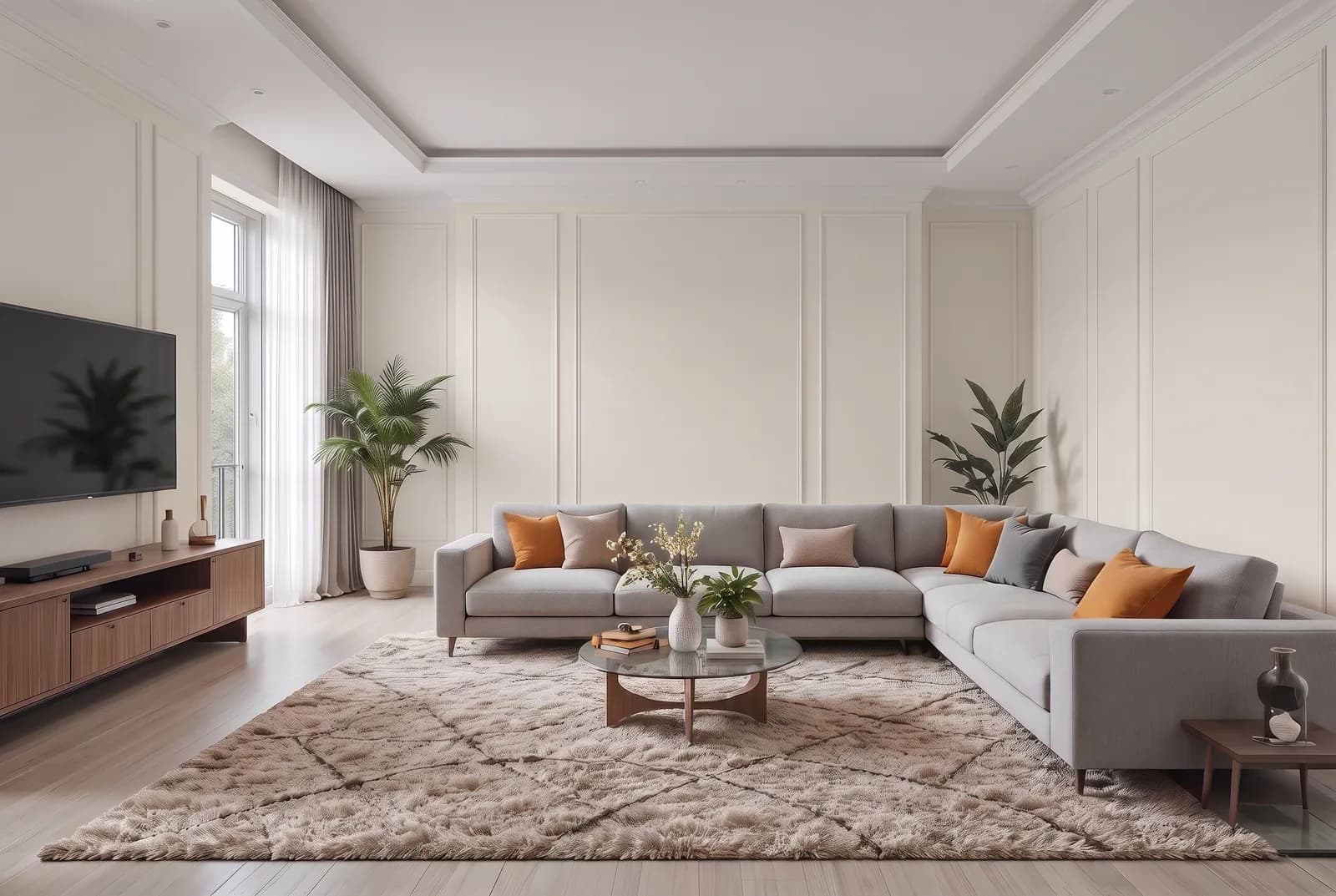
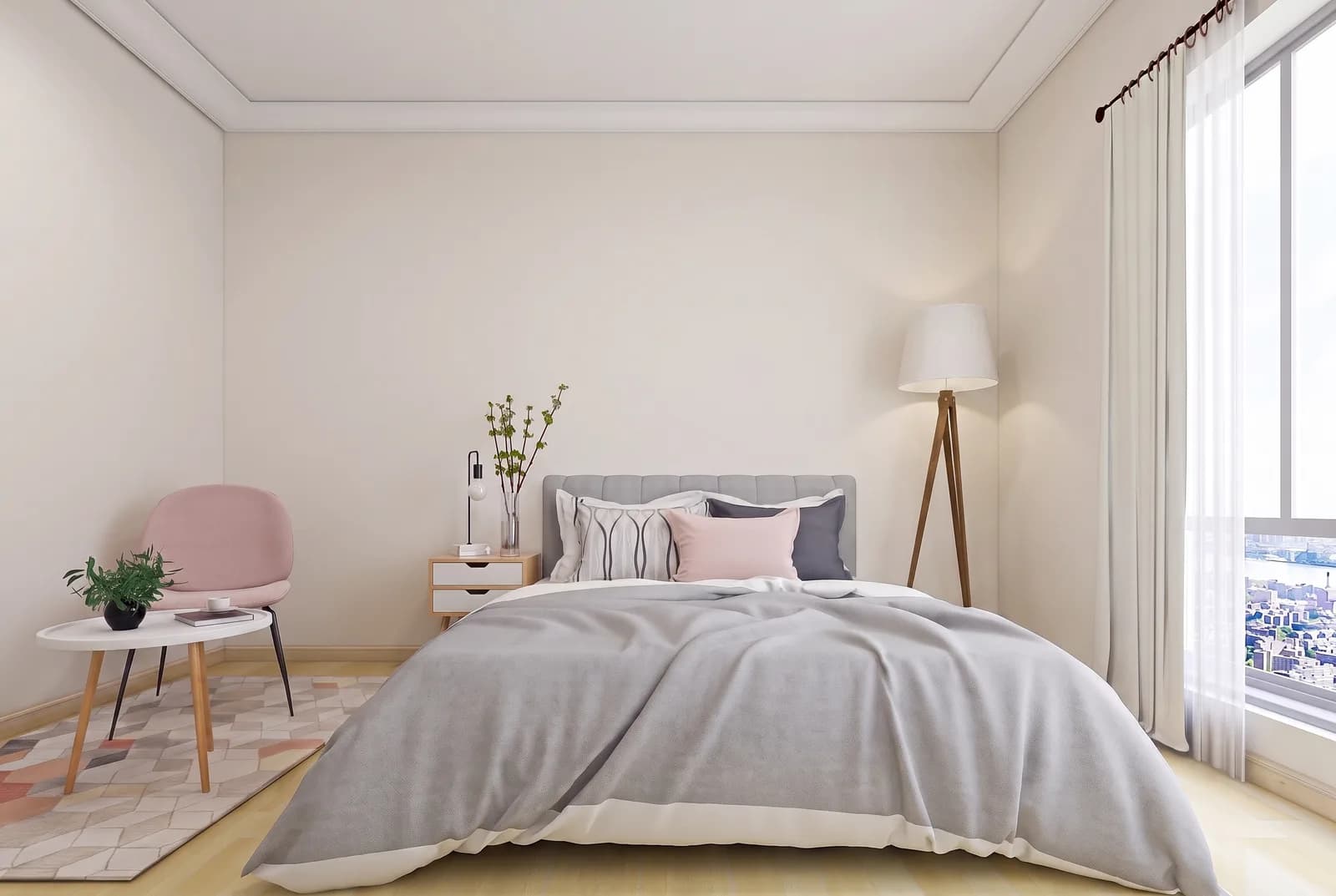
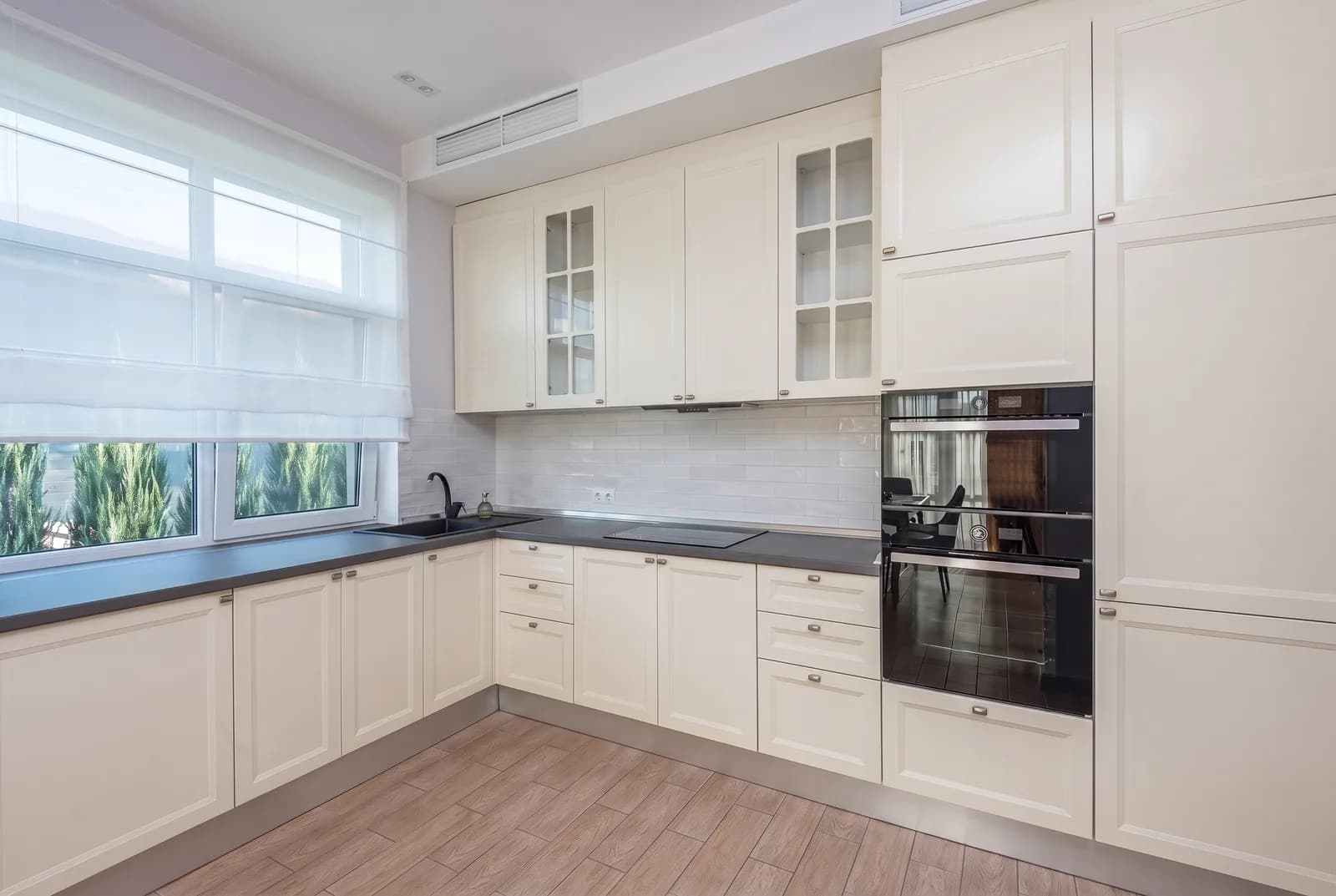
Sherwin-Williams
Shoji White
SW 7042
Subtle yellow-beige, a warm color
- Color family
- White
- Sold for
- Interior and exterior
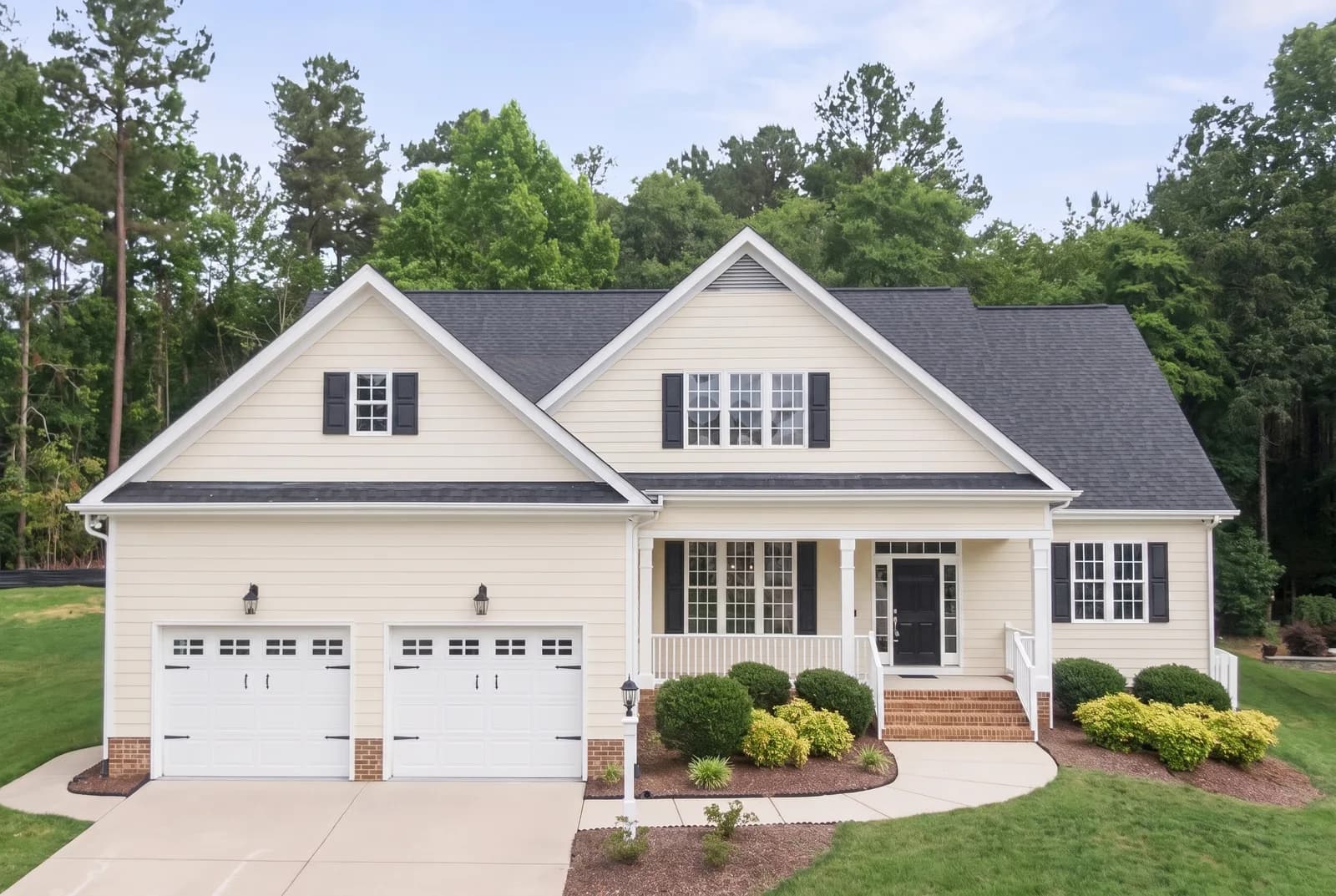
Sherwin-Williams Shoji White SW 7042 is a warm off-white with an LRV of 74, light enough for whole rooms but with enough depth to show against a bright white trim. Its undertone is a subtle yellow-beige with no green or pink in it. It suits walls, cabinets and exteriors, and does best in soft or cool light.
Is Shoji White warm or cool? Undertones by the numbers
leans yellow
Undertone
Subtle yellow-beige
A gentle lean, quiet on the wall.
Measured, Shoji White's warmth sits almost exactly on the yellow side, with almost nothing toward red: a plain yellow-beige, not peach and not green, which our method classes as warm and subtle. People describe it as a white with a drop of gray and a drop of beige. It shows by contrast: next to a bright trim like Pure White SW 7005 the wall reads as a color, next to a deeper neutral like Agreeable Gray SW 7029 as a warm white again. Its closest siblings, Pacer White SW 6098 and White Duck SW 7010, are nearly identical on a wall.
Shoji White in north, south, east and west light
Shoji White suits rooms with soft or cool light best; north and east rooms show it at its most balanced, a warm white with a little gray in it. South rooms are the ones to watch, where a full afternoon of sun can push it into plain beige, so sample it on the sunniest wall and judge it at the hour you use the room.
Watch for
- South rooms with warm wood floors can push it to beige; a cooler trim white restores the balance.
- Cream or yellow furnishings stack with its warmth; gray, black or green pieces balance it.
- Sample it next to your existing trim: against an older, yellowed white it can look gray.
Best rooms and surfaces for Shoji White
Shoji White is a whole-house wall color: living rooms, bedrooms, hallways and open kitchens, with enough depth to read as a soft color against white trim and light enough not to shrink the room. It is popular on kitchen cabinets and built-ins as a warm white that is not yellow, and it works as trim against darker walls such as Urbane Bronze SW 7048 or Evergreen Fog SW 9130. It falls flat against a bright, cool trim in a cold room, where it looks gray and dull, and in a south room full of honey-toned wood, where it turns beige. Keep ceilings in Pure White SW 7005 or lighter. It sits well with white oak, medium walnut and gray-washed floors, white quartz and marble.
Shoji White on an exterior
Shoji White is listed for exterior use and is a common body color for warm white houses, stucco and board and batten. Outdoors it reads lighter, closer to a true warm white, without the stark look of a bright white. Trim in Pure White SW 7005 or Extra White SW 7006 gives a clean edge, Alabaster SW 7008 a softer tone-on-tone pair, and Tricorn Black SW 6258, Iron Ore SW 7069, Urbane Bronze SW 7048 or Pewter Green SW 6208 hold on doors and shutters.
Try Shoji White on your own walls
Upload a photo of your room, or the outside of your house, and TryMyHome renders Shoji White onto the walls so you can judge it in your light, with your floors and furniture. Your first five renders are free.


Trusted by 19,897+ happy homeowners
Shoji White vs Alabaster, Greek Villa, Accessible Beige, City Loft and Agreeable Gray
 AlabasterShoji White
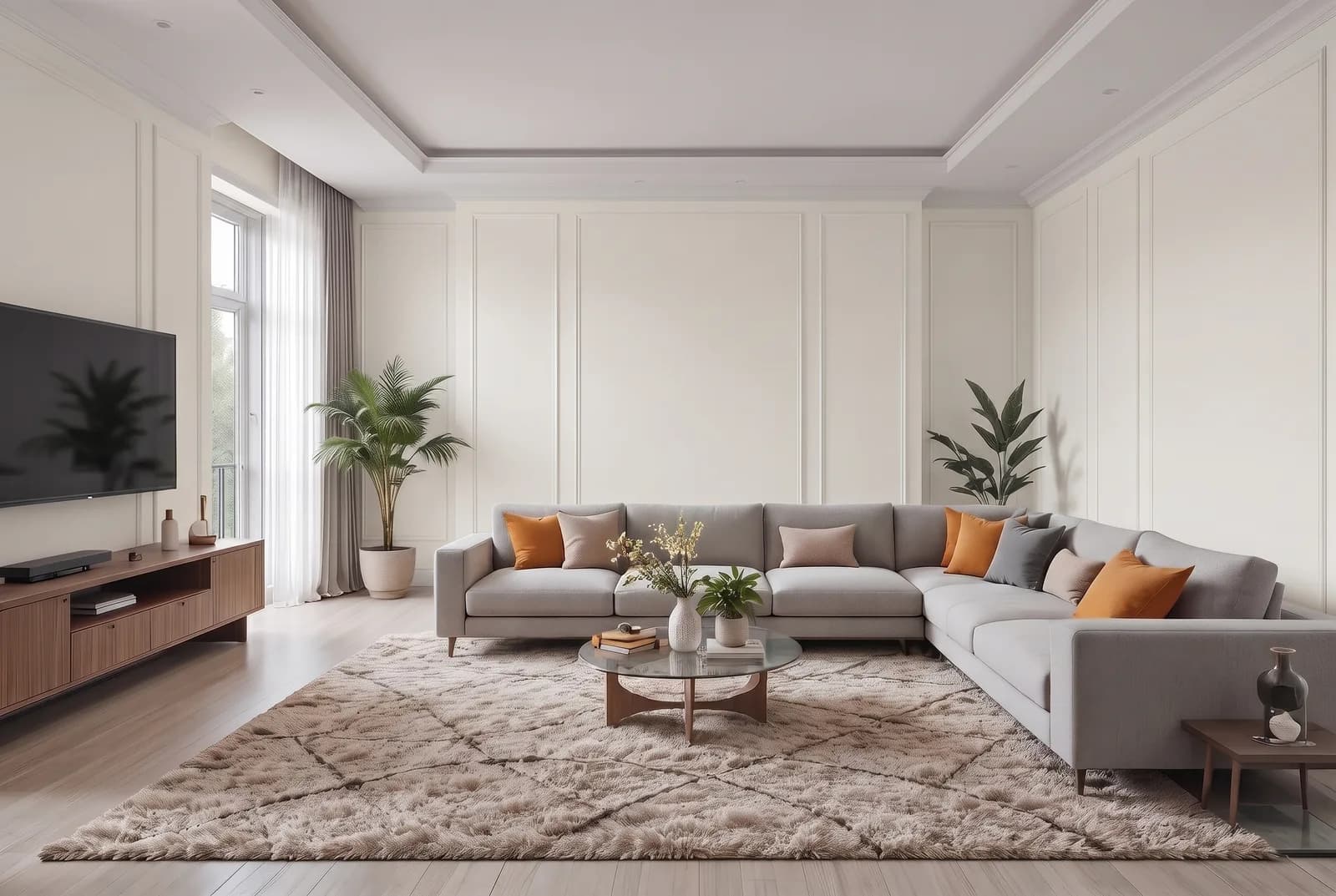
Shoji White vs Alabaster SW 7008
Shoji White is noticeably darker; both have a subtle yellow-beige undertone.
Alabaster SW 7008 is noticeably lighter and shares the subtle yellow-beige undertone. It reads as a white; Shoji White reads as a pale greige. Pick Alabaster when you want walls that look white and still feel warm, or for a whole house with lots of trim. Pick Shoji White when bright white walls feel too stark or the room has strong light and needs a softer, more grounded wall.
 Greek VillaShoji White
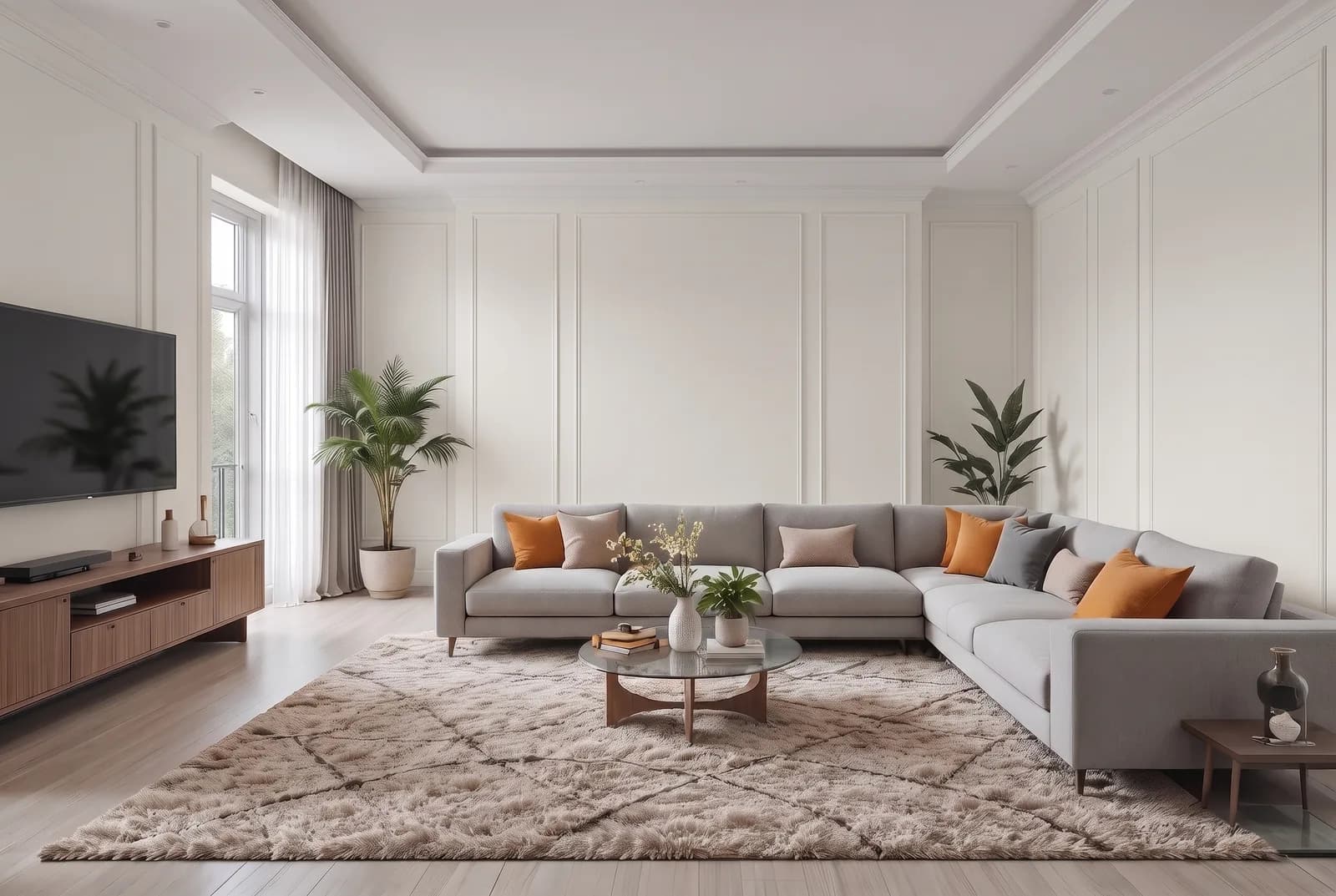
Shoji White vs Greek Villa SW 7551
Shoji White is noticeably darker; both have a subtle yellow-beige undertone.
Greek Villa SW 7551 is the top of strip 254, noticeably lighter, with the same subtle yellow-beige lean. It is a creamy white; Shoji White is the deeper, grayer color on the same strip. Greek Villa suits a bright, airy look and can double as trim with Shoji White walls. Choose Shoji White when you want the walls to show a little color against white trim rather than blend into it.
 Accessible BeigeShoji White
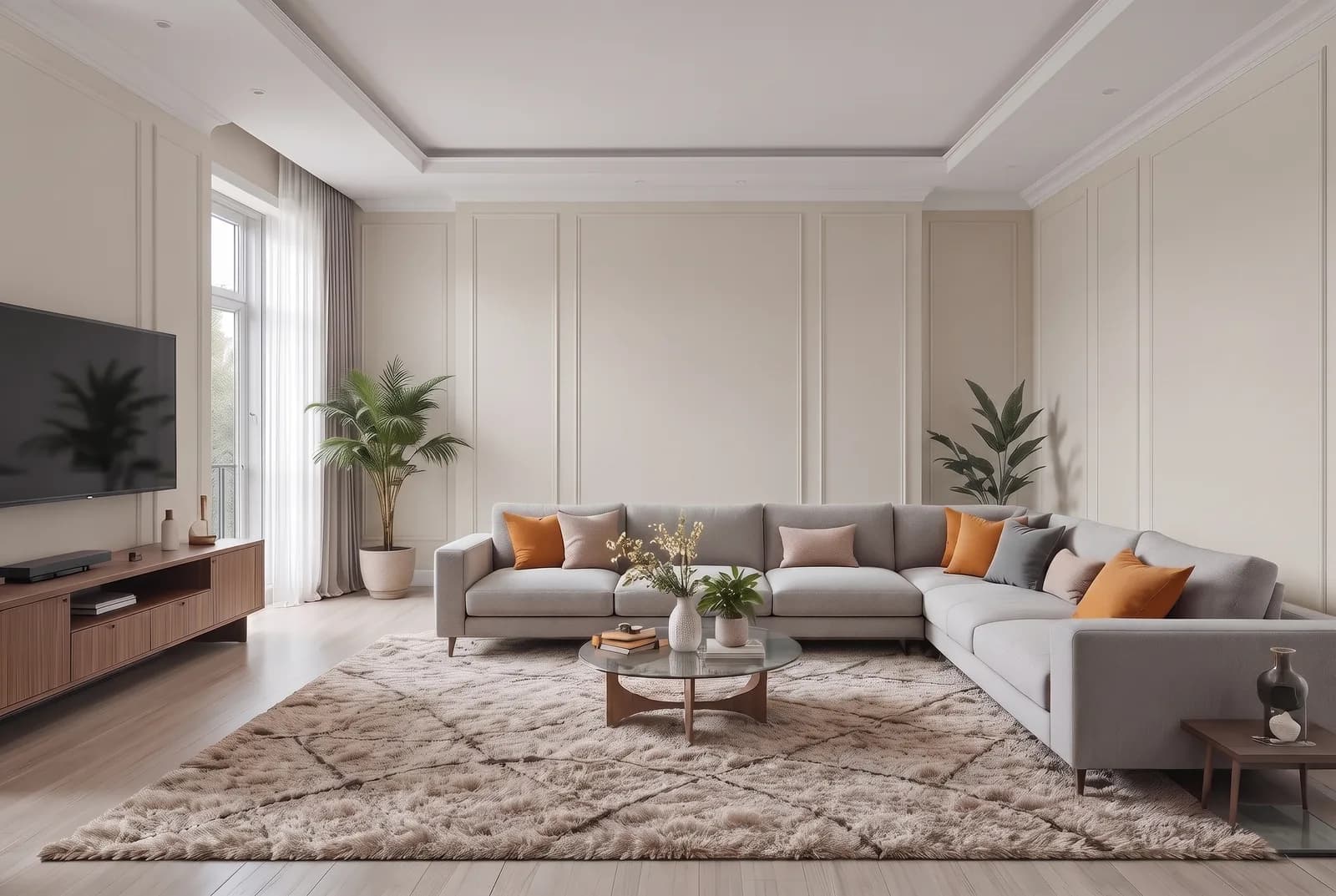
Shoji White vs Accessible Beige SW 7036
Shoji White is much lighter; undertone subtle yellow-beige vs noticeable yellow-beige.
Accessible Beige SW 7036 is the clearly beige one of the pair. It is much darker than Shoji White (LRV 58 against 74) and its yellow-beige undertone is noticeable where Shoji White's is subtle, so Accessible Beige reads as a true beige on the wall and Shoji White as a warm off-white. They come from the same warm family and layer well, Accessible Beige below a chair rail or on lower cabinets with Shoji White above. Pick Accessible Beige when you want visible color and a cozier room; pick Shoji White when you want the room light with only a hint of warmth.
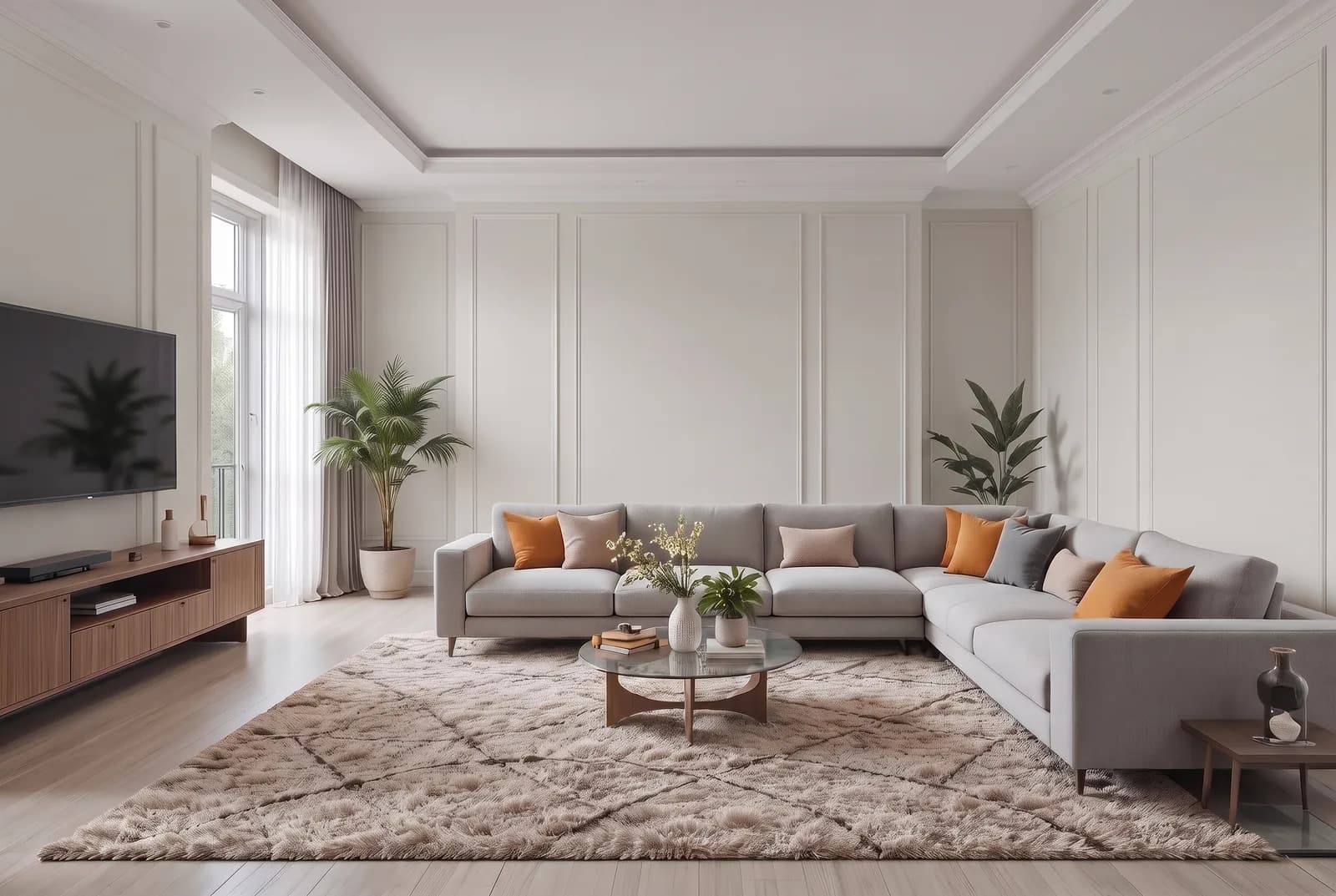 City LoftShoji White
Shoji White vs City Loft SW 7631
Shoji White is noticeably lighter; both have a subtle yellow-beige undertone.
City Loft SW 7631 is noticeably darker but still close in depth, and shares the subtle yellow-beige label. The practical difference is small: City Loft leans a touch grayer on the wall and Shoji White a touch warmer. If a sample of Shoji White looks too beige in your light, City Loft is the next step toward greige. If City Loft looks gray or cold, Shoji White is the warmer fix.
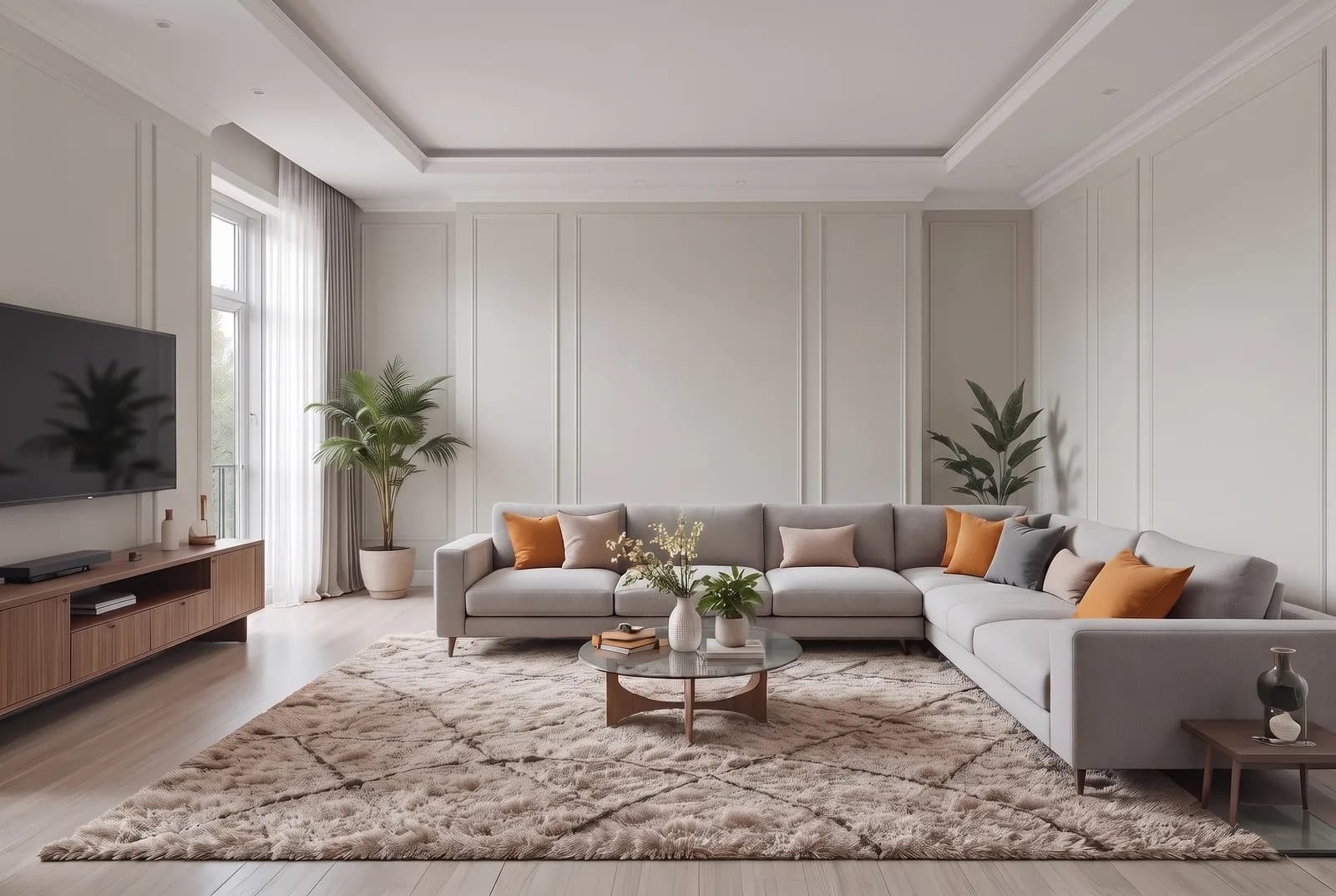 Agreeable GrayShoji White
Shoji White vs Agreeable Gray SW 7029
Shoji White is much lighter; both have a subtle yellow-beige undertone.
Agreeable Gray SW 7029 is much darker, a light greige rather than an off-white, with the same subtle yellow-beige undertone in our method. They are a natural pair rather than rivals: Shoji White on the main walls, Agreeable Gray in a hallway or bedroom that can take more depth. Pick Agreeable Gray when you want walls that read clearly as gray; pick Shoji White when you want them to read as a warm white.
Questions about Shoji White
Does Shoji White look yellow?
Not usually. Its warmth is yellow but subtle, so it reads as a warm white with a little gray in it, not a cream. Strong afternoon sun in a south room, or warm wood and cream furnishings, can push it toward beige; a bright white trim keeps it looking white.
What colors go with Shoji White?
Pure White SW 7005 is its Sherwin-Williams trim white, with Alabaster SW 7008 the softer, warmer edge. It also pairs with white oak, walnut and gray-washed floors, white quartz and marble, and it works as trim against dark walls such as Urbane Bronze SW 7048.
What is one shade lighter than Shoji White?
On its strip the next shade lighter is Pearly White SW 7009, with Greek Villa SW 7551 at the light end. The next darker, White Duck SW 7010, is nearly identical on a wall; Natural Choice SW 7011 is the first clear step down.
Is Shoji White good for kitchen cabinets?
Yes. It is a common cabinet white for people who find Pure White SW 7005 too stark and Alabaster SW 7008 too creamy. It has enough depth to show in the door profiles, and it sits well with white quartz, marble and warm wood floors.
Get a sample before you paint
Use the visualizer to narrow your shortlist, then confirm the finalist on your actual wall. A peel-and-stick sample of Shoji White, checked in morning and evening light, is the last step before a gallon.
- Made with real paint
- Delivered next day
- Peels off clean
 4.8 · 1,842 reviews